
How to Mine Sitejabber and ResellerRatings for Real Online Store Complaints (Step-by-Step Guide)
November 12, 2026 · 9 min read
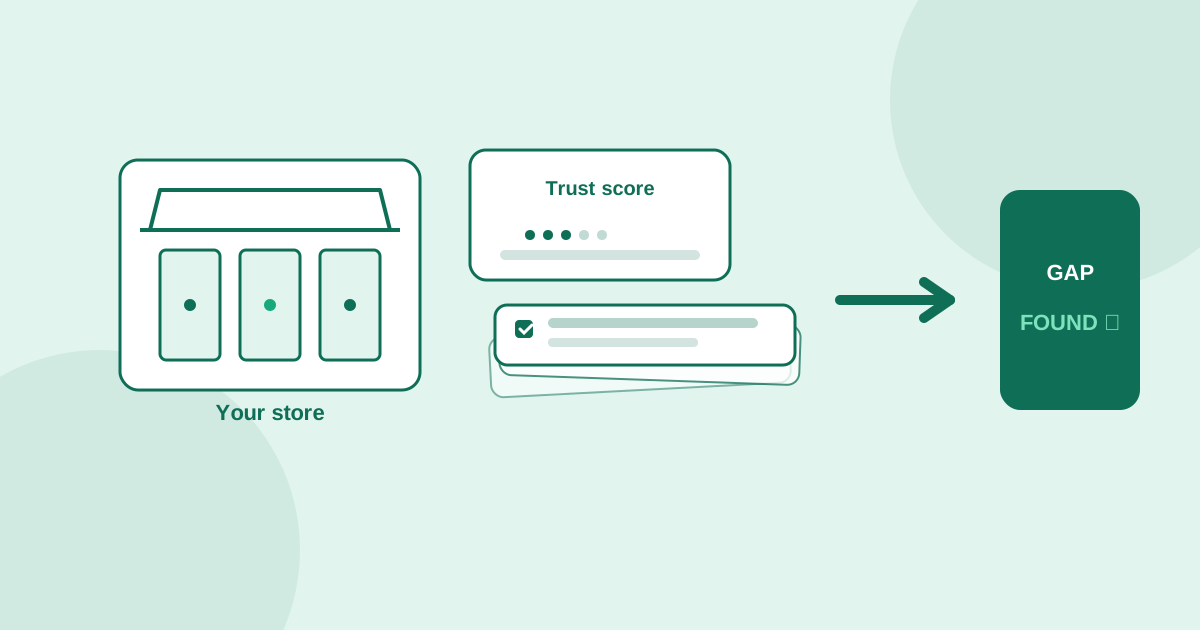
Most ecommerce research starts and stops at the product. Founders read Amazon reviews for a category, note the recurring complaints about the item itself, and build a better version of it. That is useful, and it skips an entire layer of pain that has nothing to do with the product and everything to do with the store selling it: slow shipping, impossible return policies, support that disappears after checkout, and the general question of whether a buyer can trust a site they have never heard of. Sitejabber and ResellerRatings exist specifically to capture that layer, and almost no validation guide tells you how to read them properly.
This guide covers what makes store-level review sites a different kind of evidence than product reviews, where the real signal sits on each platform, a step-by-step method for turning scattered store complaints into a ranked list of operational gaps, how to avoid mistaking a scam report for a market opportunity, and a worked example for a founder planning a new online store.
Why store complaints are a different signal than product complaints
An Amazon review answers one question: was this specific item good. A Sitejabber or ResellerRatings review answers a different and arguably more decisive question for a new ecommerce founder: would I order from this business again. Buyers writing on these platforms are not reviewing a blender or a phone case, they are reviewing whether a company shipped on time, answered emails, honored its return policy and felt safe to hand a card number to. That is the layer that determines repeat purchase rate, chargeback rate and word of mouth, and it is almost entirely invisible on a product listing page.
This matters because plenty of founders validate the product and never validate the operation. A print-on-demand shirt can be well designed and still generate a wave of one-star store reviews because fulfillment took three weeks and support never replied. Reading store-level complaints before you launch tells you which operational failures are so common across a category that simply not repeating them is itself a competitive advantage.
What each platform actually captures
Sitejabber covers a wide range of ecommerce and service businesses, and its reviews tend to be longer and more narrative, with reviewers walking through an entire order from checkout to the final outcome, good or bad. It also publishes aggregate trust scores per business, which makes it easy to scan a category and see which stores sit at the bottom before reading a single review in detail.
ResellerRatings leans more heavily toward general retail and marketplace sellers, and its reviews skew toward specific transactional details: order numbers, shipping carriers, refund timelines and how a support ticket was handled. Where Sitejabber reviews read like a story, ResellerRatings reviews read more like a timeline, which makes them useful for spotting exactly where in the order lifecycle a category of stores tends to fail.
Step 1: search the category, not a single competitor
Search both platforms for the general category you are entering (vitamins, phone accessories, custom apparel, furniture) rather than just the one or two competitors you already know. Reading across ten or fifteen stores in the same category, instead of deeply studying one, is what reveals whether a complaint is specific to one bad operator or baked into how the entire category typically operates.
Step 2: separate operational complaints from product complaints
Skim past any review that is really about the item (wrong color, broke quickly, not as pictured) since that belongs in Amazon-review research instead. What you are hunting for here is operational language: no tracking number for two weeks, charged immediately but shipped a month later, return required at my own cost to an address in another country, support only replies with a copy-pasted macro. Copy these phrases into a running list grouped by theme (shipping speed, return friction, support responsiveness, billing surprises).
Step 3: count how many independent stores share the same failure
A single store with terrible shipping is a bad business. Five unrelated stores in the same category with the same shipping complaint is a category-wide operational gap, and it is the single most useful pattern you can find here. If multiple sellers in a niche all get hit for the same return-cost problem, a store that simply offers free, easy returns has a message it can lead with from day one, backed by the exact frustration its future customers have already described in public.
Step 4: read the one-star reviews for what the buyer expected, not just what went wrong
The most useful line in a bad store review is often not the complaint itself but the sentence right before or after it, where the buyer explains what they expected instead. I thought it would ship within a week like the site said, or I expected a real person to answer, not a bot, tells you the promise the store made and broke. That promise, kept properly, becomes a differentiator you can state plainly in your own store's policies and homepage copy.
Step 5: filter out scam reports before you treat anything as a market gap
Not every one-star review describes an operational weakness worth fixing. Some describe counterfeit goods, non-delivery with no response at all, or a storefront that appears to have vanished, which are fraud reports rather than service complaints. Those still matter, because they tell you trust is a real concern in the category and that a visibly legitimate, responsive store can win business on reputation alone, but do not confuse a pile of scam reports with evidence that better shipping or better support is the gap. Read closely enough to tell the difference before you build a positioning strategy around it.
A worked example: supplement and vitamin stores
Searching the supplement category across both platforms turns up a consistent pattern: complaints about subscription cancellation being deliberately difficult, surprise recurring charges after a one-time trial order, and support that is reachable before the sale and unreachable after it. None of that is about whether the capsules themselves worked. It is entirely about trust and billing practices, and it repeats across store after store, which makes a simple, loudly stated one-click cancellation policy a genuine differentiator in a category where buyers already expect to be trapped.
Putting it together
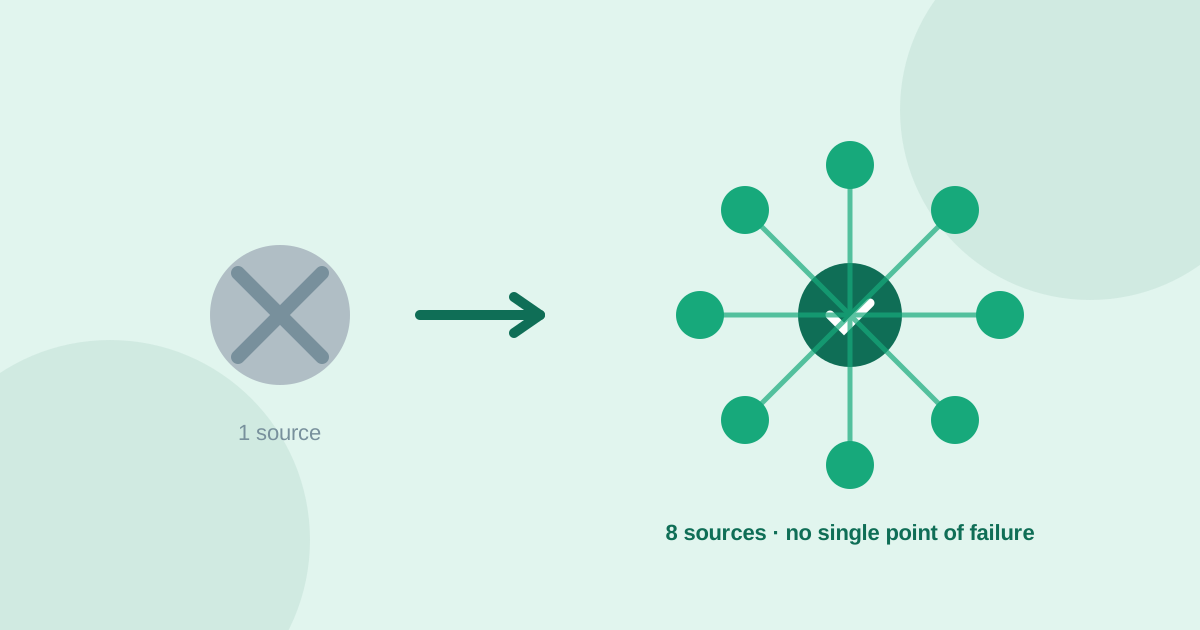
A focused session looks like this: search your category across Sitejabber and ResellerRatings instead of one competitor, sort for one and two star reviews, and sort every complaint you find into operational buckets rather than product buckets. Tally which operational failure repeats across the most independent stores, and read the surrounding sentences for what buyers expected and did not get. Separate real service gaps from outright scam reports. Then check whether the same operational complaint shows up on Trustpilot, in Reddit shopping subreddits or in Google reviews of the same stores, since a pattern that holds across platforms is a genuine category weakness rather than one site's review culture. UserConcern automates that last cross-check across 8 sources in about 60 seconds, so a store-level gap you find on Sitejabber can be confirmed or ruled out before you build a single page of your own store around it.
Frequently asked questions
What is the difference between Sitejabber, ResellerRatings and Amazon reviews?
Amazon reviews evaluate the product itself, whether an item met expectations. Sitejabber and ResellerRatings evaluate the store or seller behind the purchase: shipping speed, return policy, billing practices and support quality. For anyone planning to run their own online store rather than just sell a product on someone else's marketplace, the store-level layer is the one that determines repeat purchases and trust.
How do I know if a store complaint is a real market gap or just one bad business?
Search the whole category across ten or more unrelated stores rather than one competitor. If the same specific failure, such as expensive return shipping or unresponsive support, shows up independently across several stores, it is a category-wide operational gap. A complaint tied to a single store is usually just that store's problem, not evidence of an opportunity.
Should I ignore reviews that describe a scam or non-delivery?
Do not ignore them, but do not treat them as the same signal as a service complaint. A wave of fraud or non-delivery reports in a category shows that trust is scarce and that a visibly legitimate, responsive store can win on reputation. It does not tell you that better shipping speed or support is the specific gap, since those are different problems with different fixes.
Can UserConcern help validate an ecommerce store idea using this kind of data?
Yes. UserConcern cross-checks Reddit, Amazon reviews, YouTube, TikTok, Quora, X/Twitter, Google Trends and AI answers in about 60 seconds and returns ranked pain points with source quotes, which is the fastest way to confirm whether an operational complaint you noticed on a store review site also shows up independently elsewhere before you commit to a positioning strategy built around it.
More articles
 Market Research
Best GummySearch Alternatives in 2026 (Access Ends 30 November)
GummySearch closed to new customers in November 2025, and existing users lose access on 30 November 2026 with all data deleted the next day. Eight alternatives compared on real pricing, real sources, and which half of the job each one actually replaces.
Read article → Market Research
How to Identify Customer Pain Points: 7 Methods That Actually Work
Customer pain points are the raw material of every successful product. Here are 7 practical methods to find them, from free manual research to AI-powered analysis.
Read article →