
What Musicians and Gear Buyers Are Really Complaining About in 2026 (Music Gear Market Analysis)
October 20, 2026 · 8 min read

Musical instruments and audio gear read as a mature, well-reviewed category. Every guitar, pedal, audio interface and amplifier has hundreds of demo videos and star ratings before a buyer even clicks add to cart. The complaints underneath those ratings tell a narrower story: most gear sounds fine in a quiet demo room, and the reviews worth reading describe what goes wrong once that gear gets used the way musicians actually use it, on a stage, on tour, plugged into a rig that was never part of the manufacturer's test bench.
We ran a UserConcern analysis across Amazon and retailer reviews of guitars, pedals, audio interfaces and amplifiers, music gear subreddits, and YouTube comments under gear demo and review videos, to see what musicians and home studio owners keep describing once equipment has spent real time in a practice room, a studio or a gig bag. Five patterns stood out clearly enough to be worth sharing.
Pain point one: wall-wart power supplies that hum, buzz or die mid-set
Effects pedals and small audio interfaces ship overwhelmingly with generic external power adapters, and reviewers describe a specific, repeated failure: an audible hum or buzz that appears only once several pedals share a single power supply or a crowded power strip backstage, and an adapter that works fine on a bench but fails intermittently once it gets warm inside a pedalboard case during a long set. Musicians describe carrying a spare adapter specifically because the stock one is the least trusted part of an otherwise reliable pedal, which is a strange place for a product's weakest link to sit.
Pain point two: firmware updates that brick or downgrade hardware
Digital pedals, modeling amps and USB audio interfaces increasingly rely on firmware updates delivered through a companion app, and reviews describe updates that fail partway through and leave the hardware unresponsive, sometimes permanently, sometimes recoverable only through an unofficial forum thread describing a manual reflash procedure the manufacturer never documented. A second, quieter version of this complaint describes an update that installs successfully but removes or changes a sound the musician relied on, with no way to roll back to the previous firmware version once the update has been applied.
Pain point three: tuning stability and build tolerances on budget instruments
Budget and mid-range guitars and basses draw a consistent complaint about tuning that will not hold through a rehearsal, let alone a set, traced in reviews to inexpensive tuning machines, a nut that was not properly slotted at the factory, or a bridge with play in it that a beginner cannot diagnose and a shop charges extra to correct. The complaint rarely targets the instrument's tone or feel, which reviewers often describe as perfectly good for the price, it targets a basic mechanical reliability problem that undermines everything else the instrument does well.
Pain point four: companion apps treated as an afterthought
Amps, pedals and interfaces increasingly ship with a companion app for presets, firmware and connectivity, and reviews describe that app as the weakest part of the product almost every time: a Bluetooth connection that drops mid-session, a preset library that requires creating an account before it will sync, and an interface clearly designed by a hardware team without a dedicated software budget. Musicians describe buying gear specifically for a feature advertised in the app, then abandoning that feature within weeks because the app itself is unreliable enough to not be worth the friction.
Pain point five: proprietary cables and subscription-gated tone libraries
Reviewers increasingly flag a lock-in pattern that has nothing to do with sound quality: a proprietary USB or MIDI cable that is the only one that works with a given pedal or interface and costs far more than a generic equivalent when it needs replacing, and amp modelers or plugin bundles that gate entire tone libraries behind an ongoing subscription after the hardware itself has already been paid for in full. Musicians describe resenting the subscription far more than its actual price, framing it as a bait-and-switch on gear they believed they owned outright.
Reading the pattern across all five gaps
Every one of these complaints shares a root cause: gear specified and demoed under short, controlled, well-powered studio conditions, then used by musicians across a real gig, a tour, or a home studio session with a messy pedalboard and no IT department to call. Power supply reliability, firmware safety, build tolerance, app quality and ownership after purchase are all, at bottom, areas where a company optimized for the demo video rather than the night two years into ownership when the gear actually has to work without a backup plan.
Comparing Opportunity Scores across these five themes, firmware reliability and safe rollback for digital pedals and modelers rank highest, since a bricked device mid-tour is high-stakes and the fix, a genuinely safe update and recovery process, is a software discipline problem more than a hardware one. Power supply reliability for pedalboards follows closely, a narrow, well-defined hardware fix with an already engaged audience actively buying aftermarket solutions to patch the gap themselves. Companion app quality and subscription-gated tone libraries trail slightly behind in urgency but show real, repeated resentment, the kind that shapes which brand a musician recommends to a bandmate long after the purchase.
The lesson here is not that musicians need another pedal, interface or amp, those shelves are already full. It is that the parts of this category treated as an afterthought, power delivery, firmware safety, companion software and what ownership actually means after the sale, are where reliable gear quietly loses musicians' trust. UserConcern lets you scan a niche like this with evidence instead of assumptions, real quotes from musicians describing exactly where gear held up in the demo and failed on stage. If you are exploring this space, start with the complaint that shows up on Amazon, in a gear subreddit and under a YouTube demo at once. That is usually where the real gap is.
Frequently asked questions
Is the music gear market too crowded for a new product?
The core categories, guitars, pedals, interfaces and amps, are well established, but the clearer opportunity is not another version of any of them. It is the parts of the experience treated as an afterthought: power supply reliability, safe firmware updates, companion app quality, and what ownership means after the sale.
Why do firmware updates on pedals and modeling amps cause so many complaints?
Reviews describe updates that fail partway through and leave hardware unresponsive, sometimes with no official recovery path, and updates that change or remove a sound a musician relied on with no way to roll back. The underlying issue is that update and rollback safety is treated as a hardware afterthought rather than a software discipline.
What is the most common complaint about budget guitars and basses?
Tuning stability that will not hold through a rehearsal, traced to inexpensive tuning machines, an improperly slotted nut, or bridge play that a beginner cannot diagnose. Reviewers generally rate the tone and feel of budget instruments fairly well; the recurring complaint is basic mechanical reliability, not sound quality.
How do I validate a music gear product idea before investing in inventory?
Read Amazon and retailer reviews of comparable gear across price tiers, music gear subreddits, and YouTube comments under demo and review videos, looking for the same specific complaint, about power reliability, firmware safety, build tolerance or companion apps, appearing independently across more than one source. UserConcern automates that cross-check across 8 sources in about 60 seconds and returns an opportunity score and a build-or-skip verdict.
More articles
 SaaS & Tech
How to Validate a SaaS Idea in 48 Hours (With Evidence, Not Opinions)
A step-by-step framework to validate a SaaS idea in one weekend using real customer complaints from 8 sources, with a worked example and a clear build-or-skip verdict.
Read article →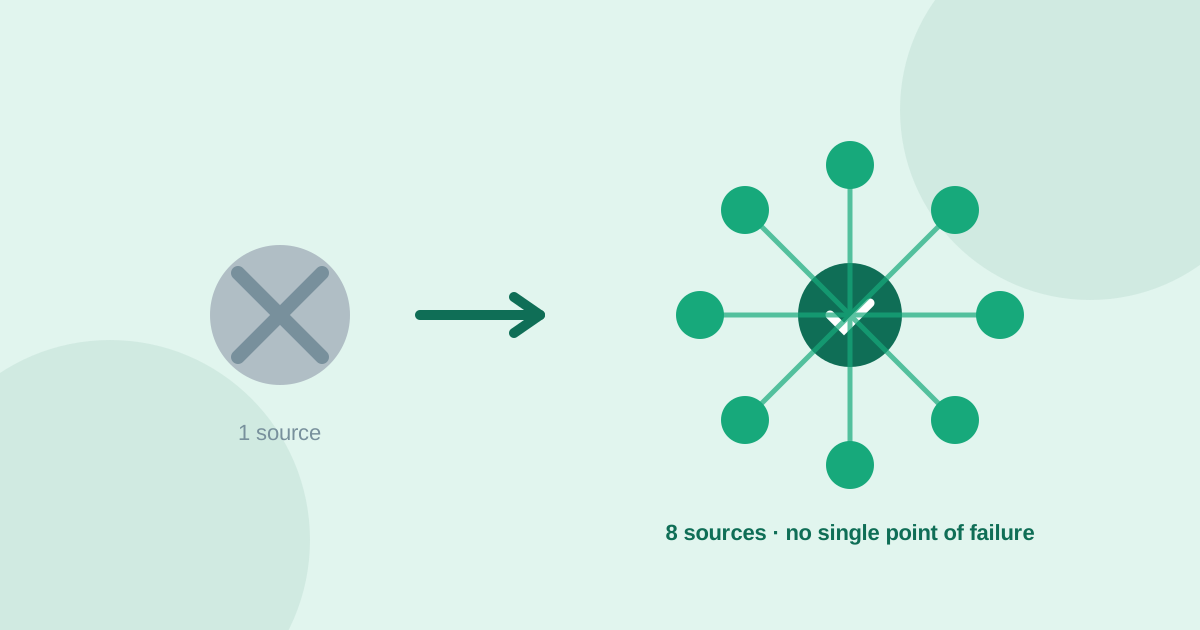 Market Research
Best GummySearch Alternatives in 2026 (Access Ends 30 November)
GummySearch closed to new customers in November 2025, and existing users lose access on 30 November 2026 with all data deleted the next day. Eight alternatives compared on real pricing, real sources, and which half of the job each one actually replaces.
Read article →