
What HR and Recruiting Teams Are Really Complaining About in 2026 (Review Mining Analysis)
October 19, 2026 · 8 min read

HR and recruiting software looks like a solved category from a feature list. Every platform offers an applicant tracking system, resume parsing, interview scheduling, onboarding checklists and a performance review module, and most of them look nearly identical in a sales demo. The complaints tell a different story once teams actually run a hiring season or a review cycle inside one of these tools.
We ran a UserConcern analysis across G2 and Capterra reviews of ATS, HRIS and performance management platforms, HR and recruiting subreddits, and Glassdoor and LinkedIn threads from both recruiters and candidates, to see what shows up once the demo ends and the software has to survive a real hiring cycle. Five patterns stood out clearly enough to be worth sharing.
Pain point one: candidates disappear into the pipeline with no real status
Recruiters and candidates both describe the same breakdown from opposite sides: an application goes in, a status shows under review for weeks, and nobody, not even the recruiter in some high-volume setups, can say with confidence why a candidate has not moved. ATS reviewers describe pipelines with dozens of stages that nobody configured correctly, automated rejection emails that fire months late or never fire at all, and candidate-facing status pages that simply mirror an internal stage name no outside applicant can interpret. The complaint is not that hiring takes time, it is that the software gives everyone, recruiter and candidate alike, less visibility into where things actually stand than a shared spreadsheet would.
Pain point two: resume parsing drops qualified people before a human ever looks
Parsing complaints come from recruiters who later check their own numbers against a manual resume review, and find candidates who should have ranked near the top instead buried or auto-filtered out. The recurring causes named are consistent: resumes exported from certain design templates or PDF tools that parse into jumbled text, non-US date and address formats that confuse built-in scoring logic, and keyword matching that penalizes a career changer or a non-traditional path even when the underlying experience fits. Recruiters describe quietly losing trust in the parsed score and reverting to reading every resume by hand, at which point the feature is actively costing time rather than saving it.
Pain point three: onboarding tools stop at the paperwork
HRIS onboarding modules reliably handle the parts that are legally required, tax forms, direct deposit, policy acknowledgments, and reviewers are fairly satisfied with that layer. The complaints start at the parts that actually shape a new hire's first weeks: provisioning accounts and access across other systems, making sure a manager has assigned a buddy or a first-week schedule, confirming equipment shipped and arrived before day one. Reviewers describe building a second, manual checklist outside the HRIS because the software's own onboarding workflow was never designed to reach past HR into IT, facilities and the hiring manager's calendar.
Pain point four: performance reviews that produce box-ticking instead of feedback
Performance management software draws a specific complaint from both managers and employees: the tool enforces a rating scale and a review cycle calendar well, and does almost nothing to make the actual written feedback better. Managers describe copying similar comments across several reports because the form demands text in every field regardless of whether there is anything new to say that cycle, and employees describe receiving reviews that read as generic and clearly written in a rush right before a deadline the software itself set. The complaint is rarely about the review cadence, it is that a tool built to standardize the process ended up standardizing the laziness too.
Pain point five: reporting that cannot answer the question someone actually asked
HR leaders and recruiting managers describe a familiar ritual: open the platform's reporting dashboard, find it does not quite answer the question (time-to-fill broken down by department and seniority, attrition filtered by manager tenure, offer-acceptance rate by source), export the raw data, and rebuild the view in a spreadsheet anyway. Reviewers are not asking for more charts, they are asking for the specific cross-section the business actually needs this quarter, which built-in dashboards rarely anticipate and which most platforms make surprisingly hard to build without a paid analytics add-on or help from the vendor's support team.
Reading the pattern across all five gaps
Every one of these complaints shares a root cause: the software is built to administer a process, forms filled, stages moved, scales rated, and is not built to carry the judgment a human still needs to exercise at each step. Candidates need real status, not a stage label. Recruiters need parsing they can trust, not parsing they have learned to override. Managers need onboarding and review tools that reach into the actual first weeks and the actual quality of feedback, not just the paperwork and the calendar around them.
Comparing Opportunity Scores across these five themes, candidate-facing status transparency ranks highest, since the pain is sharp, affects employer brand directly, and is addressed by almost no platform in a way reviewers trust. Resume parsing built for non-standard formats and non-linear career paths follows closely, a narrow technical fix with outsized impact on which candidates even get seen. Cross-system onboarding that reaches past HR into IT and facilities trails slightly behind in build difficulty but shows real, repeated demand from reviewers already patching the gap manually.
The lesson here is not that HR and recruiting software needs another ATS or another performance review module, that shelf is full. It is that nearly every platform optimizes for the HR team's own checklist and leaves the actual humans on either end of it, the candidate and the new hire, with the least visibility of anyone in the process. UserConcern lets you scan a niche like this with evidence instead of assumptions, real patterns from the people who use this software every day describing exactly where it holds up in a demo and breaks down in a real hiring season. If you are exploring this space, start with the complaint that shows up on G2, in a recruiting subreddit and on Glassdoor at once. That is usually where the real gap is.
Frequently asked questions
Is HR and recruiting software too crowded a market for a new product?
The core categories, ATS, HRIS and performance management, are well established, but the clearer opportunity is not another full platform. It is the specific trust gaps nearly every vendor leaves open: candidate-facing status that means something, resume parsing that works on non-standard formats, and onboarding that reaches past HR into IT and the hiring manager's first week.
Why do candidates keep complaining about application status even when a company uses a modern ATS?
Reviewers describe internal pipeline stages that were never configured to map to anything a candidate can understand, automated rejection emails that fire late or not at all, and recruiters who, in high-volume pipelines, have no better visibility into a stalled application than the candidate does. The software tracks the process, not the communication.
What is the most common complaint about resume parsing in ATS reviews?
Qualified candidates getting filtered out or ranked low because of formatting, not qualifications: design-heavy resume templates, non-US date formats, or non-traditional career paths that confuse keyword-based scoring. Recruiters describe losing trust in the parsed score and reverting to manual review once they catch the pattern.
How do I validate a gap in HR or recruiting software before building it?
Read G2 and Capterra reviews of the specific platform category, HR and recruiting subreddits, and Glassdoor or LinkedIn threads from recruiters and candidates, looking for the same specific complaint showing up across more than one source. UserConcern automates that cross-check across 8 sources in about 60 seconds and returns an opportunity score and a build-or-skip verdict.
More articles
 SaaS & Tech
How to Validate a SaaS Idea in 48 Hours (With Evidence, Not Opinions)
A step-by-step framework to validate a SaaS idea in one weekend using real customer complaints from 8 sources, with a worked example and a clear build-or-skip verdict.
Read article →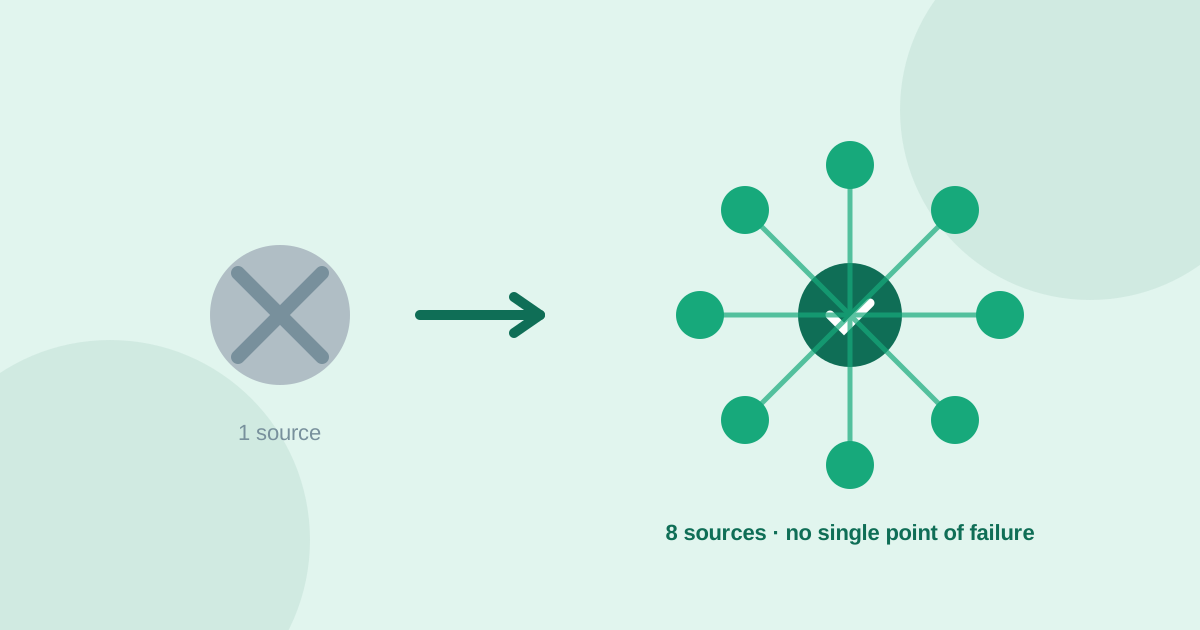 Market Research
Best GummySearch Alternatives in 2026 (Access Ends 30 November)
GummySearch closed to new customers in November 2025, and existing users lose access on 30 November 2026 with all data deleted the next day. Eight alternatives compared on real pricing, real sources, and which half of the job each one actually replaces.
Read article →