
How to Mine Hacker News and Product Hunt Comments for Real SaaS Pain Points (Step-by-Step Guide)
November 9, 2026 · 8 min read

Hacker News and Product Hunt are not where most people vent about software, but they are where the most technical buyers argue honestly about what a product actually gets wrong. A Show HN thread or a Product Hunt launch comment section fills up within hours with people who have tried ten competing tools and are comparing the new one against very specific failures in the old ones. That specificity is what makes both platforms valuable for pain point research, even though neither one was built for market research at all.
This guide covers how to read both platforms for signal: which threads to focus on, what search patterns surface real complaints instead of technical nitpicking, and the single trap that catches almost everyone who tries to validate a SaaS or developer tool idea using only these two sources.
Step 1: read Show HN and launch threads, not the front page
The Hacker News front page is dominated by news, essays and funding announcements, almost none of which is useful for pain point research. The signal lives in Show HN threads, where someone posts their own project and the comments immediately test it against the commenter's own unsolved problem. Search site:news.ycombinator.com Show HN plus your category, read the top comments on the ten or fifteen most-discussed threads, and ignore vote count at first. A Show HN post with forty comments arguing about a missing feature is more useful than one with four hundred upvotes and no real discussion underneath it.
Step 2: search the archive with pain language, not product names
Hacker News has a full-text search at hn.algolia.com that goes back to the site's founding. Search pain phrases instead of tool names: why does nothing do, I built this because I was sick of, is there a tool that actually, I ended up writing my own script because. These patterns surface the moment someone decided existing tools were bad enough to build a replacement, which is one of the highest-signal data points in developer-facing markets: a user frustrated enough to build their own fix instead of paying for one.
Step 3: read Product Hunt comments for the feature people wish existed
Product Hunt comments skew more positive than Hacker News by default, since launching makers invite their own networks to comment. Filter past the congratulations and look for comments that start with a compliment and pivot: this is great, does it also handle, I would use this if it could, closest I have seen to doing X but still missing Y. These pivot comments describe the exact gap between what shipped and what the commenter actually needed, written by someone who already tried the product rather than someone guessing from a landing page.
Step 4: separate technical nitpicking from real pain
Both platforms attract commenters who critique implementation details, the stack choice, the pricing page copy, a typo, without describing an actual unmet need. That noise can drown out real signal if you read quickly. The filter is simple: does the comment describe a workflow the commenter cannot currently complete, or a cost they are currently paying somewhere else? A comment about font choice is noise. A comment describing the three tools the commenter tried before this one, and what each one failed to do, is a pain point with competitive context already attached.
Step 5: note which alternatives get recommended underneath
When a launch thread or Show HN post gets enough traffic, someone almost always replies with a competing tool: have you tried X, we use Y for this. Collect these replies. They map the existing competitive set faster than a search engine will, and the thread beneath each recommendation often repeats why the original poster had moved away from that alternative in the first place, which doubles as a second data point on the same pain.
The trap: builders talking to builders
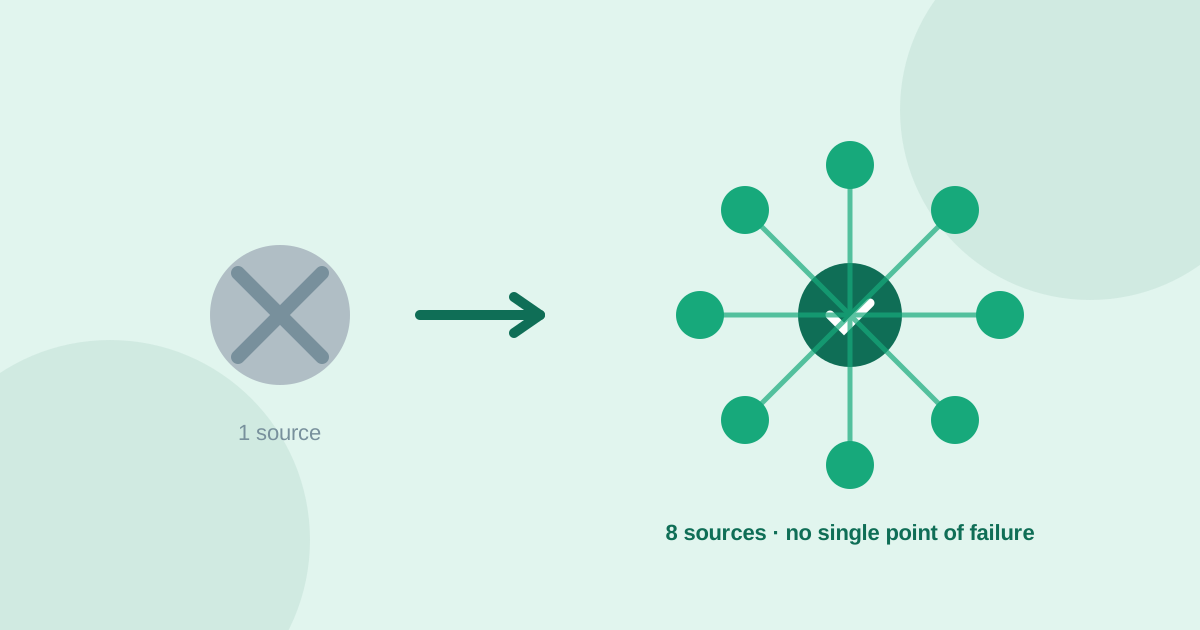
Here is the mistake that catches almost everyone who validates a developer tool idea using only Hacker News and Product Hunt: both audiences are unusually technical, unusually price-sensitive about anything that feels like it should be free or open source, and unusually likely to say they would build it themselves even when they never actually will. A pain point that resonates loudly in a Show HN thread can still represent a tiny, unwilling-to-pay segment of the real market. The fix is the same cross-source discipline that applies everywhere else: before committing to a pain point found on Hacker News or Product Hunt, check whether the same complaint shows up on Reddit, in G2 or Capterra reviews, or in YouTube comments from a less technical audience. That is the design principle behind UserConcern: it scans both of these sources alongside Reddit, Amazon reviews, YouTube, TikTok, Quora, X and Google Trends in one search, so a developer-tool pain point only ranks highly when it survives outside the Hacker News echo chamber too.
Putting it together
A focused research session looks like this: an hour searching the Hacker News archive for pain-language phrases in your category, thirty minutes reading the most-discussed Show HN and Product Hunt launches from the last year, and thirty minutes collecting the alternatives people recommended in the comments. Then check whether the strongest pattern survives on a second, less technical source before you believe it. If it does, you have validated something most SaaS founders skip entirely: proof that the people most likely to try ten tools before yours still could not find one that worked.
Frequently asked questions
Is Hacker News good for validating a SaaS idea?
Yes, with a caveat. Show HN threads and the full-text archive surface detailed, technical complaints from people who have already tried multiple competing tools, which makes Hacker News valuable for developer tool and SaaS research. The caveat is that its audience is unusually technical and price-sensitive, so a pain point found there should be confirmed on a less technical source before you build around it.
What should I search for on Hacker News to find pain points?
Search pain language rather than product names: phrases like why does nothing do, I built this because I was sick of, is there a tool that actually, and I ended up writing my own script because, combined with your category. These patterns surface people who were frustrated enough to build a workaround rather than pay for an existing tool.
How is reading Product Hunt comments different from reading reviews?
Product Hunt comments tend to skew positive since makers invite their own networks, so the signal is in the pivot comments: a compliment followed by does it also handle, or closest I have seen but still missing. These describe a specific gap from someone who already tried the product, rather than a star rating from someone judging it from a distance.
How do I avoid over-trusting a pain point found on Hacker News or Product Hunt?
Cross-check it against a less technical source before acting on it. UserConcern automates that step: one search scans Hacker News and Product Hunt alongside Reddit, Amazon reviews, YouTube, TikTok, Quora, X and Google Trends, so a pattern only ranks as a strong opportunity when it holds up outside a single technical community. The first search is free.
More articles
 Market Research
Best GummySearch Alternatives in 2026 (Access Ends 30 November)
GummySearch closed to new customers in November 2025, and existing users lose access on 30 November 2026 with all data deleted the next day. Eight alternatives compared on real pricing, real sources, and which half of the job each one actually replaces.
Read article → Market Research
How to Identify Customer Pain Points: 7 Methods That Actually Work
Customer pain points are the raw material of every successful product. Here are 7 practical methods to find them, from free manual research to AI-powered analysis.
Read article →