
What Dating App Users Are Really Complaining About in 2026 (Review Mining Analysis)
October 29, 2026 · 8 min read
Dating app reviews on the App Store, Google Play and Trustpilot read like a breakup letter aimed at the wrong target. Users rarely complain about being single. They complain, in enormous and specific detail, about the thirty seconds between opening the app and deciding whether the person on the other side of the swipe is real, available and worth a conversation. Almost every complaint traces back to that thirty-second window failing in some predictable way.
We ran a UserConcern analysis across App Store and Google Play reviews of the major dating apps, Trustpilot reviews, Reddit's dating and relationship communities, and TikTok comments under dating-app-experience videos, to see what users keep describing once the novelty of a new app wears off and they are left with the actual day-to-day experience of using it. Five patterns stood out clearly enough to be worth sharing.
Pain point one: fake, inactive or AI-generated profiles with no fast way to report and move on
The single most repeated complaint across every major app is matching with a profile that turns out to be a bot, a scammer, or an account that has not opened the app in months. Reviewers describe a reporting flow buried several taps deep, a block feature that still leaves the dead match sitting in their inbox, and no visible signal before matching that would have warned them the account was inactive. The complaint is rarely about catfishing being possible, it is about how much effort the app asks of the user to clean up a mess the platform's own matching algorithm created.
Pain point two: subscription and boost pricing that feels designed to confuse
A large cluster of one and two star reviews describes a pricing structure nobody can fully explain after reading it: a base subscription, a separate paid boost, a separate paid super-like currency, and a free trial that auto-renews into the most expensive tier without a clear reminder beforehand. Reviewers describe feeling nickel-and-dimed at every turn of a product that is already asking them to pay simply to be seen, and several describe a cancellation flow as the actual final straw, rather than anything about the matches themselves.
Pain point three: the algorithm feels like it is optimizing for engagement, not for actually meeting someone
A specific and increasingly common complaint describes noticing the same handful of profiles resurfacing for weeks, matches that go nowhere being repeatedly re-suggested, and a strong suspicion, sometimes stated outright, that the app makes more money the longer someone stays single and swiping than it would if the match actually worked and the person deleted the app. Reviewers who have used a dating app successfully in the past describe this specific app behaving noticeably differently now, with more friction between matching and actually exchanging contact information.
Pain point four: safety verification that exists on paper but rarely gets checked
Reviewers, disproportionately women, describe a verification badge system that is easy to fake, bypass or ignore entirely, alongside safety features like video-chat-before-meeting or background check add-ons that exist in the app but are rarely used by actual matches because nothing requires it. A recurring theme is discovering only after agreeing to meet in person that basic details in a profile, age, job, relationship status, were false, with no built-in way the app could have flagged the mismatch earlier in the conversation.
Pain point five: no good option for people who want something other than casual dating or marriage
Reviewers repeatedly describe feeling mis-served by a binary the major apps assume: either overwhelmingly casual and hookup-oriented, or heavily marriage and long-term-relationship focused, with little serving people who want something specific in between, serious dating without immediate marriage pressure, relationships within a niche community or shared identity, or connection that is not strictly romantic at all. Several reviews describe switching between three or four different apps simultaneously just to cover the range of what they are actually looking for, because no single app's framing matches their actual intent.
Reading the pattern across all five gaps
Every one of these complaints describes the same underlying failure: dating apps optimized for the moment of download and the first few swipes, and under-invested in everything that keeps a match from turning into wasted time, fake-profile cleanup, pricing clarity, an algorithm that rewards engagement over outcomes, safety verification that actually gets used, and framing that matches a user's real intent instead of a generic one-size-fits-all funnel.
Comparing Opportunity Scores across these five themes, fast and effective fake-profile reporting ranks highest, since it is a discrete, buildable trust layer that does not require rebuilding an entire matching algorithm, and the frustration behind it shows up unprompted in nearly every app's reviews regardless of its size or niche. Transparent, simple pricing follows closely, particularly as a differentiator against incumbents whose entire monetization model currently depends on confusing tiers. Niche framing for underserved relationship intents trails slightly behind in how quickly a single founder could build it, but it carries the clearest path to a defensible, loyal audience rather than competing head-on with apps that already have enormous existing user bases.
The lesson here is not that dating needs another general swiping app, that is one of the most crowded and capital-intensive consumer categories that exists. It is that trust, pricing clarity and intent-matching are where the giants are structurally reluctant to improve, since more transparency or a sharper niche focus can mean a smaller, slower-growing user base in the short term. UserConcern lets you scan a niche like this with evidence instead of assumptions, real quotes from users describing exactly where the experience broke their trust or their patience. If you are exploring this space, start with the complaint that shows up on the App Store, on Trustpilot and on Reddit at once. That is usually where the real gap is.
Frequently asked questions
Is the dating app market too saturated for a new product to succeed?
General swiping apps are saturated and capital-intensive to compete in head-on. The clearer opportunity sits in what the giants are structurally slow to fix: fast and reliable fake-profile reporting, transparent pricing, and framing built around a specific underserved relationship intent rather than a generic casual-or-marriage binary.
What is the biggest complaint about dating apps right now?
Fake, inactive or AI-generated profiles combined with a reporting flow that takes too much effort to use. Reviewers rarely object to catfishing being possible, they object to how much cleanup work the app expects from the user after its own matching algorithm serves up a dead or fraudulent profile.
Why do dating app pricing complaints matter for a new product?
Nearly every major app layers a base subscription, paid boosts and a separate paid currency in a way reviewers describe as deliberately confusing, and several cite the cancellation experience itself as worse than any bad match. Simple, transparent pricing is a differentiator incumbents are unlikely to adopt, since it would mean giving up revenue their current model depends on.
How do I validate a dating or relationship app idea before building it?
Read App Store and Google Play reviews of comparable apps, Trustpilot reviews, Reddit's dating and relationship communities, and TikTok comments under dating-app-experience videos, looking for the same specific complaint, about trust, pricing, the algorithm or unmet relationship intent, appearing independently across more than one source. UserConcern automates that cross-check across 8 sources in about 60 seconds and returns an opportunity score and a build-or-skip verdict.
More articles
 SaaS & Tech
How to Validate a SaaS Idea in 48 Hours (With Evidence, Not Opinions)
A step-by-step framework to validate a SaaS idea in one weekend using real customer complaints from 8 sources, with a worked example and a clear build-or-skip verdict.
Read article →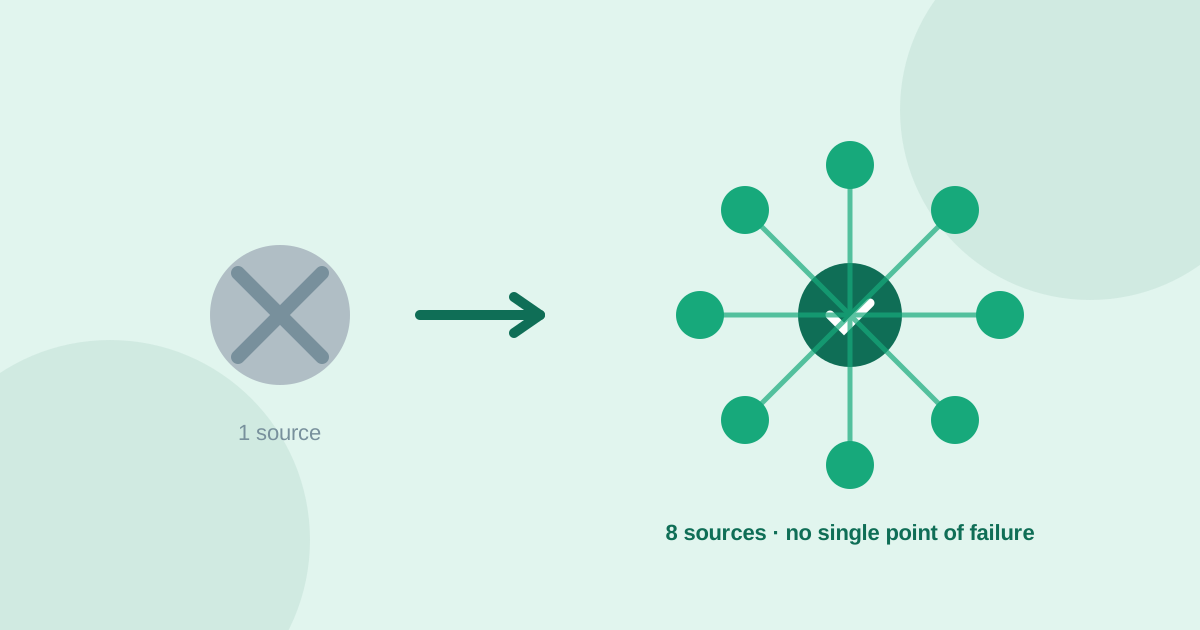 Market Research
Best GummySearch Alternatives in 2026 (Access Ends 30 November)
GummySearch closed to new customers in November 2025, and existing users lose access on 30 November 2026 with all data deleted the next day. Eight alternatives compared on real pricing, real sources, and which half of the job each one actually replaces.
Read article →